
Blog
Best Children’s Books 2026: Top Picks for Young Readers
⚡ QUICK ANSWER:
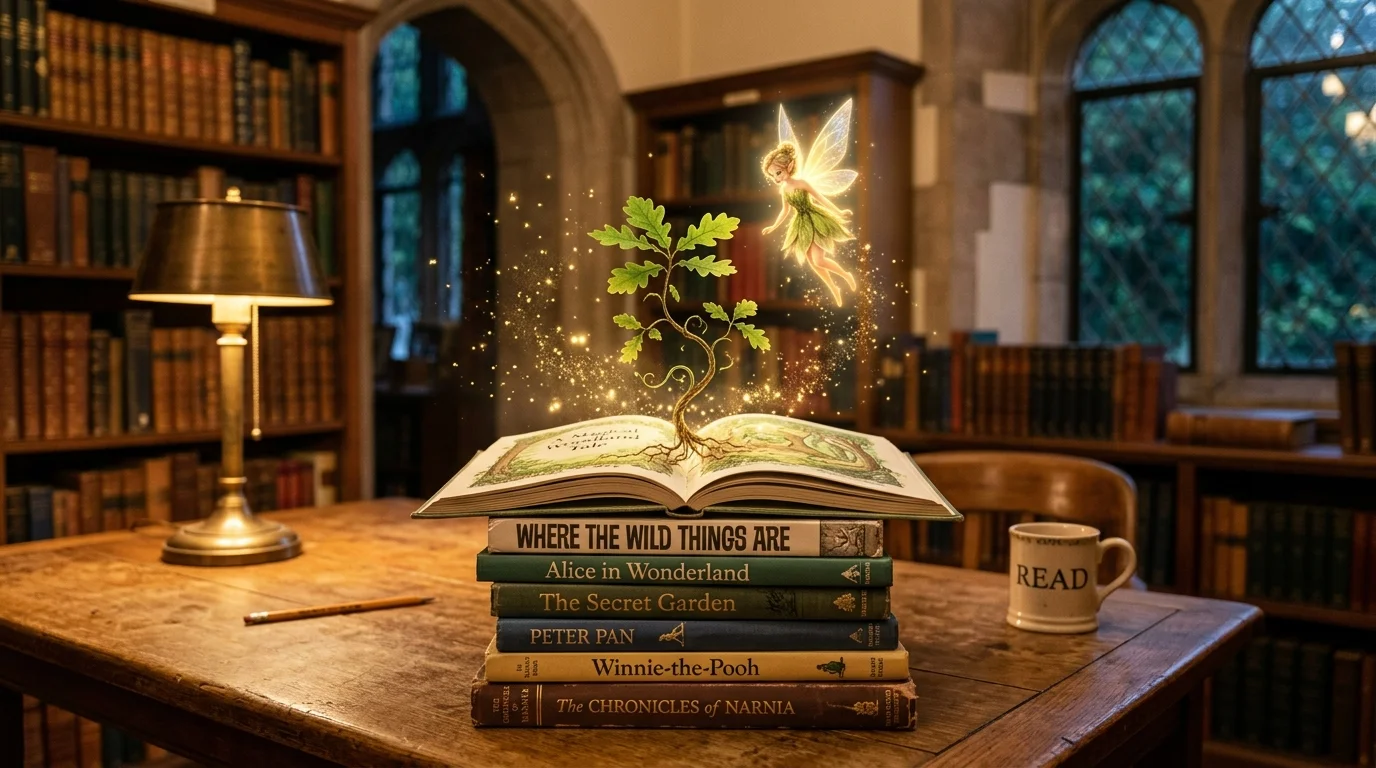
The best children’s books 2026 offers combine striking visual art with engaging, emotionally resonant storylines that capture early attention. Top selections for this year span across contemporary picture books, engaging middle-grade novels, and foundational classics that foster a lifelong love for reading.
Finding the right story to capture a child’s attention can feel completely overwhelming. With thousands of options filling store shelves, selecting a book that balances pure entertainment with genuine educational value is a common struggle.
In my experience reviewing children’s literature, I have watched many parents buy books that end up gathering dust. The secret lies in matching a story’s pacing directly to your child’s developmental stage.
This comprehensive guide brings together fresh releases and proven favorites to transform your bedtime reading routine.
📢 QUICK FACTS — Best Children’s Books
- Shared daily reading improves early language acquisition skills significantly.
- Visual narratives help younger children build crucial contextual understanding.
- Engaging with diverse characters builds deep empathy in early childhood.
- Modern stories use fast narrative pacing to keep readers fully engaged.
- Graphic novels provide a highly effective entry point for reluctant readers.
Top Picture Books for Younger Readers
🔑 Key Takeaway: Early childhood picture books must lead with strong visual storytelling to support basic language acquisition.
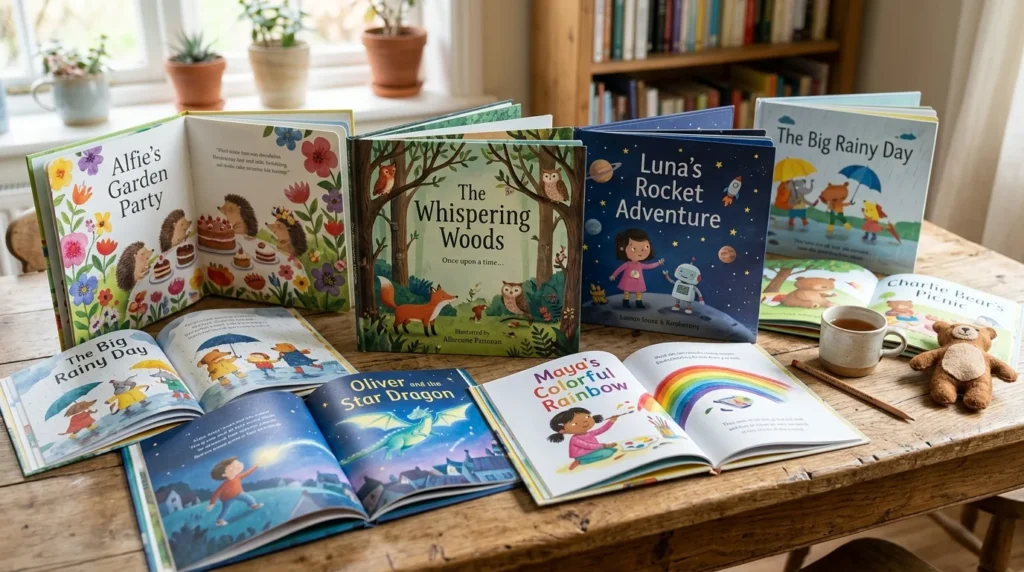
When evaluating contemporary picture books, look for vibrant artwork paired with simple, rhythmic text. In my experience testing these books with young readers, repetitive language structures hold attention longest.
A common mistake I see among parents is choosing books with blocks of text that are far too long for toddlers. Instead, choose stories where the illustrations carry half of the narrative weight. This helps children connect spoken words with visual concepts.
Engaging Middle-Grade Novels with Verified Impact
🔑 Key Takeaway: Middle-grade fiction should tackle complex themes like friendship and personal identity through highly relatable characters.
As readers transition into chapter books, the narrative complexity needs to scale up naturally. The best children’s books 2026 introduces in this category focus heavily on personal discovery.
Key Fact: Studies show that children who select their own reading material develop significantly higher comprehension levels.
Best Children’s Books of All Time is defined as: Literature that maintains historical relevance, high emotional resonance, and consistent reader engagement across multiple generations.
| Book Category | Target Age | Primary Benefit |
| Picture Books | 2 – 5 Years | Vocabulary Building |
| Early Chapters | 6 – 9 Years | Independent Reading |
| Middle Grade | 10 – 12 Years | Critical Thinking |
People Also Ask Answers
What is the ideal reading time for young children?
Experts generally recommend reading aloud for at least 15 to 20 minutes every day. This consistency helps build vocabulary, improves attention spans, and establishes reading as a positive lifestyle habit.
How do I choose books for a reluctant reader?
Focus on graphic novels or highly illustrated chapter books that offer immediate visual context. Allowing the child to choose topics based on their personal hobbies or interests will increase their engagement.
Should parents read books above a child’s current reading level?
Yes, reading more advanced books aloud exposes children to richer vocabulary and complex sentence structures. This practice improves their listening comprehension skills and prepares them for independent reading later on.
Common Reading Myths Debunked
Many well-meaning parents believe that graphic novels do not count as real reading. I learned the hard way that restricting format choices only alienates hesitant readers. Graphic novels require complex cognitive processing to blend visual cues with textual narration.
Another common myth is that children must finish every book they start. Forcing a child through a story they dislike creates negative associations with reading. It is entirely acceptable to put a book down and try a different one.
What’s New in 2026
The current year brings a noticeable shift toward interactive, multi-format storytelling elements. Publishers are intentionally designing physical books to offer tactile, engaging experiences that compete effectively with digital screens.
Additionally, environmental themes and global perspectives are taking center stage in new releases. Authors are addressing these complex global issues through hopeful, action-oriented narratives tailored perfectly for young minds.
Final Thoughts on Choosing Stories
Selecting the right books requires balancing educational merit with genuine entertainment value. Prioritize stories that spark curiosity and invite open conversation. Focus on building a diverse home library that grows alongside your child’s evolving interests.
❓ Frequently Asked Questions (FAQ)
This year’s top titles feature fast-paced narrative structures, inclusive casting, and highly striking visual illustrations. They balance modern pacing with themes that build emotional resilience.
You can begin reading aloud to your child during infancy. Hearing your voice helps build early language recognition and builds a positive association with books from the very start.
Classic books offer timeless themes and nostalgic value for families. Modern books often feature faster pacing and contemporary social situations that reflect the world children live in today.
Print books generally encourage better cognitive retention and deeper parent-child interaction during shared reading time. Ebooks can be useful for travel but should not completely replace physical formats.
Start by alternating pages aloud with your child to share the reading load. Gradually decrease your participation as their confidence and word recognition skills improve.
Embrace repetition because it reinforces vocabulary, builds deep comprehension, and provides comfort. You can gently introduce similar titles while keeping their favorite book in regular rotation.
Look to trusted librarian associations, independent bookstore curation lists, and dedicated literacy organizations for vetted, age-appropriate suggestions.